

Chemical processes that affect your health and your weight
Metabolism & Hormones
Metabolism, a term we often overlook despite learning about it in high school biology, refers to all the chemical processes that take place in our bodies. Essentially, it describes how your body transforms food into energy. This energy powers everything from breathing and thinking to movement and growth.
Main Fuctions of Metabolism
-
Breaking down food: Your body breaks down food into its component parts (carbohydrates, proteins, and fats), which are then used for energy or to build and repair tissues.
-
Producing energy: This energy is produced through a series of chemical reactions, primarily in the mitochondria of your cells.
-
Building and repairing tissues: The nutrients from food are used to build and repair cells, tissues, and organs.
-
Eliminating waste: Metabolism also involves the elimination of waste products, such as carbon dioxide and urine.

METABOLIC PATHWAYS
Metabolism can be categorized into two distinct pathways:
Anabolic Pathway Function: Builds molecules and requires energy.
Catabolic Pathway Function: Breaks down molecules and produces energy.
These pathways work in harmony, with the energy generated from one being utilized by the other. Depending on the food consumed throughout the day, our body will operate in either an anabolic or catabolic state, but it cannot be in both at the same time.
When in a catabolic state, the body loses fat; however, there is a risk of also losing muscle mass. Conversely, during an anabolic state, muscle mass is gained, but there may be an increase in fat as well.This highlights the significance of adjusting exercise routines based on the body's metabolic state for the day. Tailoring workouts accordingly is essential for achieving noticeable results, whether the goal is effective fat loss or muscle gain.

Metabolism & Weight Management
Understanding metabolism is important for weight management. A higher metabolism can help you burn more calories, making it easier to maintain a healthy weight. Conversely, a slower metabolism can make it harder to lose weight.
Factors Affecting Metabolism
Several factors can influence your metabolism, including:
-
Age: As you get older, your metabolism tends to slow down.
-
Gender: Generally, men have higher metabolisms than women.
-
Muscle mass: More muscle mass means a higher metabolism.
-
Activity level: The more active you are, the faster your metabolism.
-
Hormones: Certain hormones, such as thyroid hormones, can affect your metabolism.
-
Genetics: Your genetics can also play a role in your metabolic rate.
DO YOU KNOW...
two specific conditions—diabetes and high blood pressure—are responsible for up to two-thirds of all chronic kidney disease (CKD) cases.

WHY IS IMPORTANT TO KNOW ABOUT METABOLIC SYNDROME?
In the past decade, much discussion has revolved around Metabolic Syndrome (MS), a condition encompassing risk factors such as obesity, insulin resistance, hypertension, and dyslipidemia. When combined, these factors elevate the risk of developing coronary heart disease, stroke, and diabetes.
Metabolic Syndrome is often synonymous with Insulin Resistance, where the body produces insulin but fails to respond properly. Muscles, fat, and liver cells become resistant to insulin, leading to increased insulin production in an attempt to facilitate glucose uptake. This, in turn, results in elevated blood glucose levels.
A diet high in starchy and processed carbohydrates, along with unhealthy fats, can trigger excessive insulin production. The body requires higher insulin levels to metabolize carbohydrates compared to fats and proteins. Over time, the body may struggle to keep up with this demand, potentially leading to the development of Type 2 Diabetes.
Diabetes 1: Arises when the pancreas is incapable of producing insulin.
Diabetes 2: Occurs when the pancreas slows insulin production after a period of high demand, often associated with insulin resistance.
Rethinking Weight Loss: The Role of Hormones
For many years, caloric restriction and rigorous physical training were regarded as the primary strategies for weight loss. However, recent research questions the notion that simply cutting calories leads to fat loss. Enter hormones.
Hormones, categorized as Anabolic or Catabolic based on their effects on the body, play a vital role in this process. They influence a multitude of physiological functions, including metabolism, appetite, growth, mood, puberty, fertility, and more.
Hormonal Changes
After the age of 30, the body's production of anabolic hormones declines, while catabolic processes become more pronounced, contributing to the aging process. Catabolism leads to the breakdown of lean muscle mass, which in turn slows down metabolism.
Hormones—often called chemical messengers—function within systems like the endocrine system. For example, when carbohydrates are consumed, they signal the pancreas to release insulin, which facilitates the uptake of glucose by muscle and fat cells from the bloodstream. Grasping these hormonal dynamics is essential for a more sophisticated approach to weight management.

Key Hormones in Weight Management
In any weight management program, three hormones warrant particular attention: Insulin, Glucagon, and Cortisol.
Insulin: Produced by the pancreas in response to elevated blood sugar levels, insulin helps store glucose (carbohydrates converted into sugar) in muscle tissue and fat cells. It serves as a crucial anabolic hormone for muscle development, similar to Human Growth Hormone (HGH), thyroid hormone, testosterone, and estrogen.
Glucagon: Released by the pancreas when blood sugar levels drop, glucagon signals the liver to release stored energy back into circulation. This process is particularly active between meals and during exercise.
Cortisol: This hormone is released in response to stress and low blood glucose levels. When imbalanced, cortisol can weaken the immune system. Excessive cortisol release is linked to weight gain, especially around the abdomen and face.
Understanding and regulating these hormones is vital for effective weight management.Insulin and glucagon work in a delicate balance; as insulin increases, glucagon decreases. Insulin promotes energy storage, while glucagon encourages the release of stored energy. The impact of these hormones on fat storage in your body ultimately depends on your ability to regulate them effectively.
Striking a harmonious balance between insulin and glucagon is critical for managing and optimizing your body's energy storage and release mechanisms.
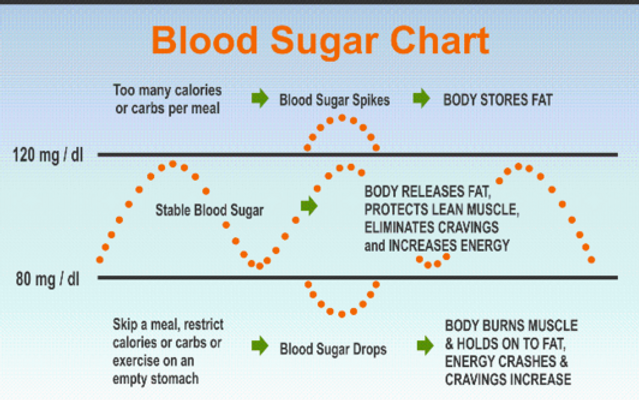
HOW CAN I PREVENT THE STORAGE OF FAT?
While many of us recognize the importance of managing fat intake for weight control, carbohydrates are equally significant. They act as the primary source of fuel for our metabolism. When cells do not require them immediately, carbohydrates are converted into glycogen, which is a more efficient form of energy storage.
Most glycogen resides in the liver and muscle cells. However, the body has a limited capacity to store glycogen; once the muscles and liver are full, any excess is transformed into fat. Conversely, staying low on carbohydrates for prolonged periods can slow down metabolism, as the body attempts to safeguard its fat reserves, impeding fat loss.
This highlights the necessity of physical activity, particularly resistance training, in maintaining weight control. Such activities offer a metabolic edge by using excess glycogen for muscle recovery rather than storing it as fat.
Regular exercise is essential for optimizing the balance of carbohydrate intake, storage, and utilization for effective weight management.
Was this page hepful?
Related Articles


CARDIOVASCULAR CONDITIONING
)_edited.jpg)
MUSCULAR STRENGTH