
The Power of Macros & Exercise
- Ruth Henao

- Aug 21, 2024
- 2 min read
Updated: Apr 30, 2025
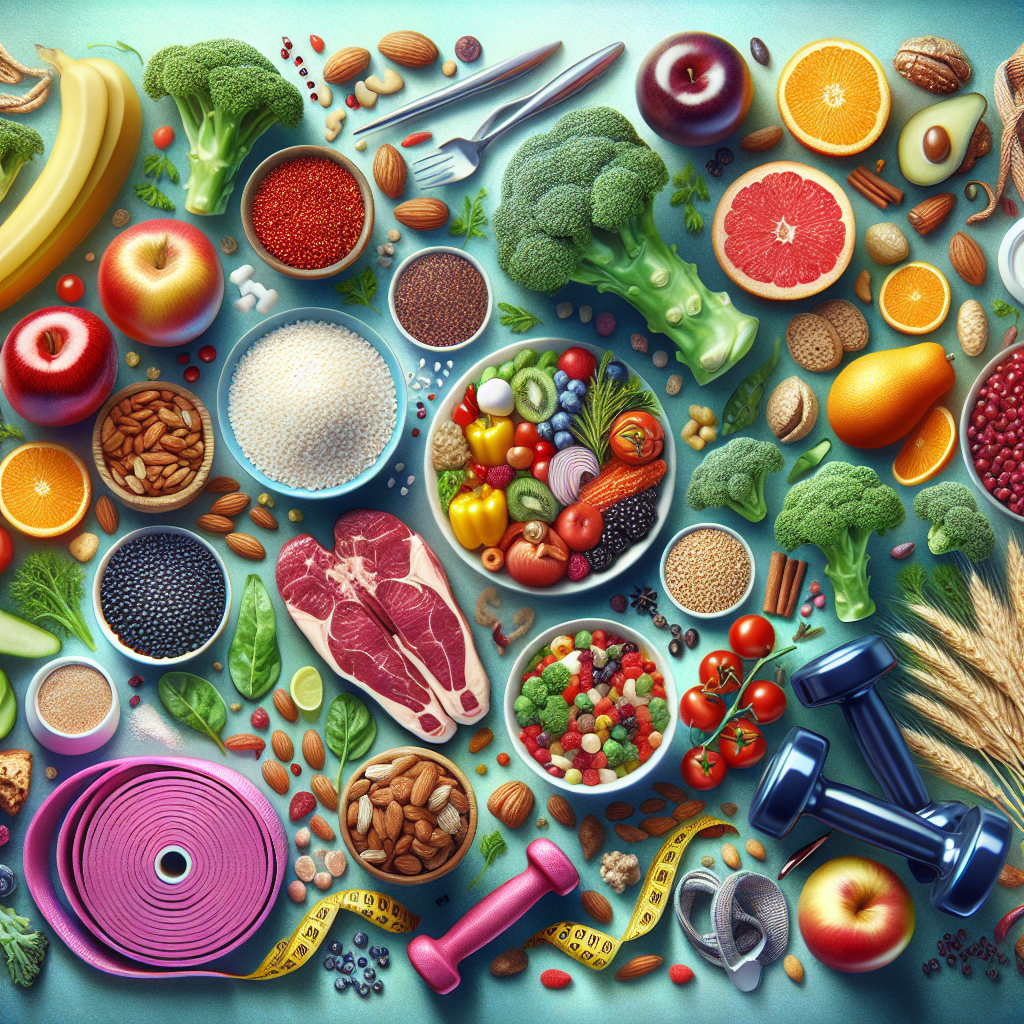
For fitness enthusiasts and health-conscious individuals, grasping the complex relationship between macronutrients and top physical performance is crucial. Here is a quick guide to mastering macronutrients to reach your peak fitness objectives.
What are Macros?
Macronutrients, or macros for short, constitute the fundamental building blocks of our diet. Comprising proteins, carbohydrates, and fats, macros play a fundamental role in providing the energy and resources our bodies need to function optimally. Each macronutrient serves a specific purpose, and striking the right balance is crucial for achieving peak fitness levels.
Proteins: The Muscle's Best Friend
Proteins are the superheroes of the macronutrient world, essential for muscle repair and growth. Lean meats, nuts, and legumes are excellent sources of protein that should be a staple in any fitness enthusiast's diet.
Carbohydrates: Fuel for Performance
Carbohydrates are the body's primary energy source, providing the fuel needed to power through intense workouts. Opt for complex carbohydrates like whole grains and fruits to sustain energy levels effectively.
Fats: The Misunderstood Hero
Fats often get a bad rap, but they are essential for hormone regulation and nutrient absorption. Incorporate healthy fats like avocados and olive oil into your diet for a well-rounded nutritional profile.
Calculating Your Macros

Nowadays, various online calculators can help you determine the optimal distribution of proteins, carbs, and fats based on your fitness goals, whether they are weight loss, muscle gain, or maintenance.
Balancing your macros is a tailored process that requires experimentation and fine-tuning. Start by setting a baseline macro distribution and adjust based on how your body responds. Remember, everyone is unique, and what works for one person may not work for another.
Tracking Your Progress
Consistency is key when it comes to mastering your macros. Keeping a food journal or utilizing apps like MyFitnessPal can help you stay on track and monitor your macro intake. Regularly reassess your progress and make adjustments as needed to ensure you're on the right path to reaching your fitness goals.
In Conclusion
Mastering macros is a journey that requires dedication, patience, and a willingness to adapt. By understanding the role of proteins, carbohydrates, and fats in your diet, calculating your ideal macro intake, and tracking your progress diligently, you'll be well on your way to achieving optimal fitness levels and unleashing the full power of macros in your nutrition regimen.


Comments