

A Measure of Health
Waist Circumference
Weight and stature are important indicators of overall health, but they don't always tell the whole story. Measuring waist circumference can provide valuable insights into body composition.
Health Risk Associated With Excess Abdominal Fat
Excess abdominal fat, often referred to as visceral fat, is stored deep within the abdomen and can pose significant health risks. Here are some of the primary concerns:
Heart disease: Abdominal fat is linked to increased levels of LDL (bad) cholesterol, triglycerides, and blood pressure, all of which are risk factors for heart disease.
Type 2 diabetes: The presence of excess abdominal fat can impair insulin sensitivity, leading to insulin resistance and potentially type 2 diabetes.
Stroke: High blood pressure and other cardiovascular risk factors associated with abdominal fat can increase the risk of stroke.
Metabolic syndrome: This cluster of conditions includes obesity, high blood pressure, high blood sugar, high triglycerides, and low HDL (good) cholesterol. Abdominal fat is a key contributor to metabolic syndrome.
Certain types of cancer: Some studies have suggested a link between excess abdominal fat and an increased risk of certain cancers, including colon, breast, and endometrial cancer.
It's important to note that while excess abdominal fat is a significant concern, it's not the only factor contributing to these health risks. Other lifestyle factors, such as diet, exercise, and stress management, also play crucial roles.
Waist circumference is a critical measurement that provides valuable insights into an individual's health and risk factors associated with various diseases. It is defined as the distance around the smallest area of the waist, typically located just above the navel. This measurement is particularly significant because it serves as an indicator of abdominal fat, which is a key factor in assessing an individual's risk for metabolic syndrome, cardiovascular diseases, and type 2 diabetes.
Importance of Waist Circumference
Measuring waist circumference is essential for several reasons. First, it helps in evaluating body fat distribution, which is a crucial aspect of overall health. Unlike body mass index (BMI), which only considers weight and height, waist circumference offers a more nuanced view by focusing on where fat is stored in the body. Research has shown that excess fat around the abdomen, often referred to as visceral fat, is more harmful than fat stored in other areas of the body, such as the hips and thighs.
Guidelines For Measurement
To accurately measure waist circumference, individuals should follow specific guidelines to ensure consistency and reliability.
The measurement should be taken while the person is standing, with feet together and arms relaxed at the sides. A flexible measuring tape should be placed around the waist at the midpoint between the lower rib and the top of the hip bone.
It is crucial to ensure that the tape is snug but not compressing the skin, and the measurement should be recorded at the end of a normal exhalation.

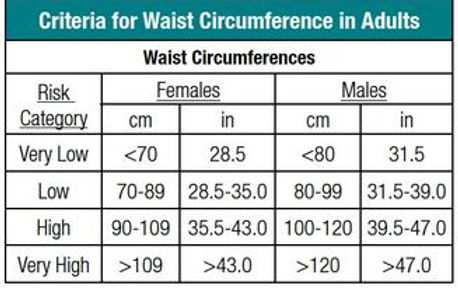
Elevated waist circumference is linked to an increased risk of several health conditions. A waist circumference exceeding 40 inches (102 cm) in men and 35 inches (88 cm) in women is associated with a higher likelihood of developing heart disease, hypertension, and certain types of cancer. It can also indicates insulin resistance, which is a precursor to type 2 diabetes.
Monitoring waist circumference can therefore be a proactive approach to identifying individuals at risk and implementing early interventions.
Recommendations for Maintaining Healthy Waist Circumference
To maintain a healthy waist circumference, individuals are encouraged to adopt lifestyle changes that promote overall well-being. Regular physical activity, including both aerobic and strength-training exercises, can help reduce abdominal fat. Additionally, a balanced diet rich in whole foods, such as fruits, vegetables, whole grains, lean proteins, and healthy fats, can support weight management and overall health.
It is also essential to limit the intake of processed foods, sugary beverages, and high-calorie snacks that contribute to weight gain. In conclusion, waist circumference is a vital health metric that provides insight into an individual’s risk for various diseases. By understanding its significance, accurately measuring it, and taking steps to maintain a healthy waist size, individuals can enhance their overall health and reduce the risk of chronic conditions.
Regular monitoring and lifestyle modifications are key components in achieving and sustaining a healthy waist circumference.

Related Articles


CARDIOVASCULAR CONDITIONING
)_edited.jpg)
MUSCULAR STRENGTH